
EDUA Group – Transforming a Learning System for Tens of Thousands of Users
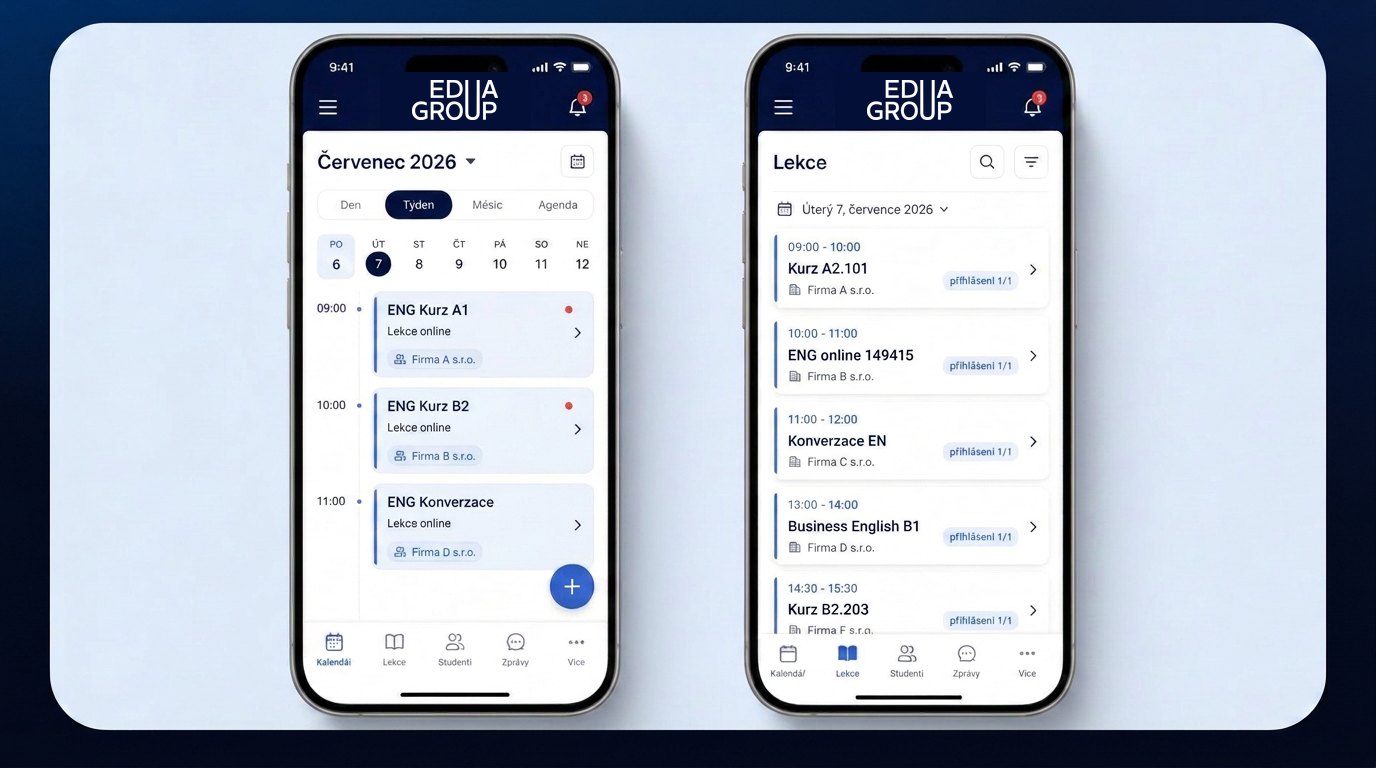
For EDUA Group we designed a new application layer and a custom frontend on top of a stable backend of their learning system. We have been working together for more than four years.
Project description
EDUA Group has long used an internal learning system to manage corporate training. As features grew and user needs changed, the user interface needed to move forward, become simpler to use and work on mobile devices too.
Instead of a full rewrite, we kept the stable backend, designed a new application layer and built a custom frontend. We have been developing the system with the client for more than four years.
Education that helps companies and the public grow
EDUA Group is an education group focused on corporate training, professional development and learning activities for the general public. Through its companies it offers language and professional courses, soft-skills training and comprehensive learning programmes that help companies develop their people and help individuals respond to changing market needs.
Its services are used by small and large companies across industries as well as individuals – from HR departments and managers through branch teams to employees and the public. EDUA Group's systems and services support thousands of users in organising corporate training, managing the related agenda, professional growth and public learning activities.
The group's long-term goal is to make quality education accessible through modern technology and to create an environment that makes work easier for companies, their employees and the general public.
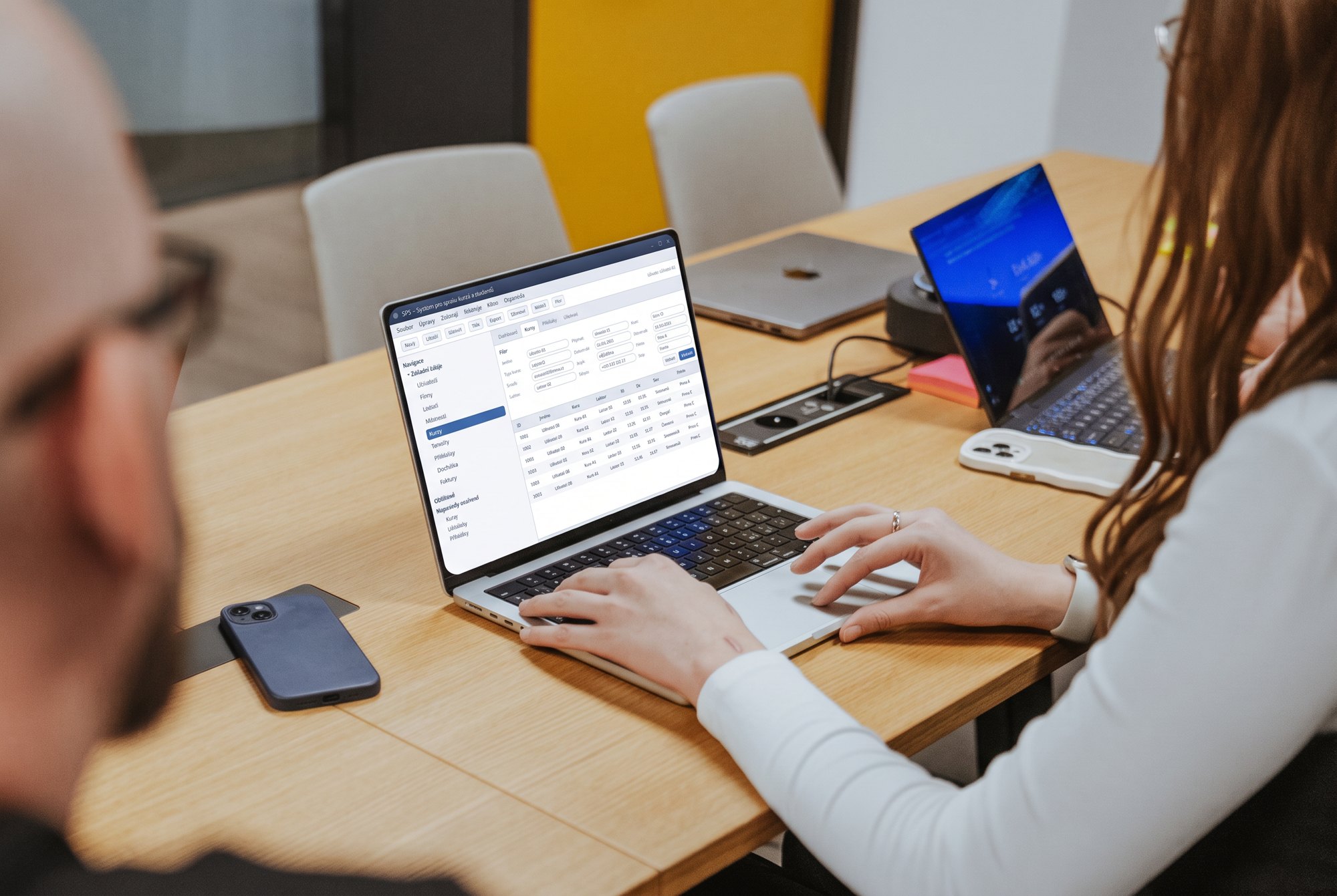
As the system grew, so did the demands on its usability
EDUA has long used an internal learning system that covers corporate training management – from records of courses, participants and trainers to lesson planning, attendance tracking and cost evaluation.
Over the years the system gained many features, such as class registers, lesson management, attendance summaries and training cost overviews.
With more features and changing user expectations, the user interface needed to move forward as well. Navigating the features had become harder, some workflows could be simplified, and neither mobile use nor system responsiveness met current requirements any more.
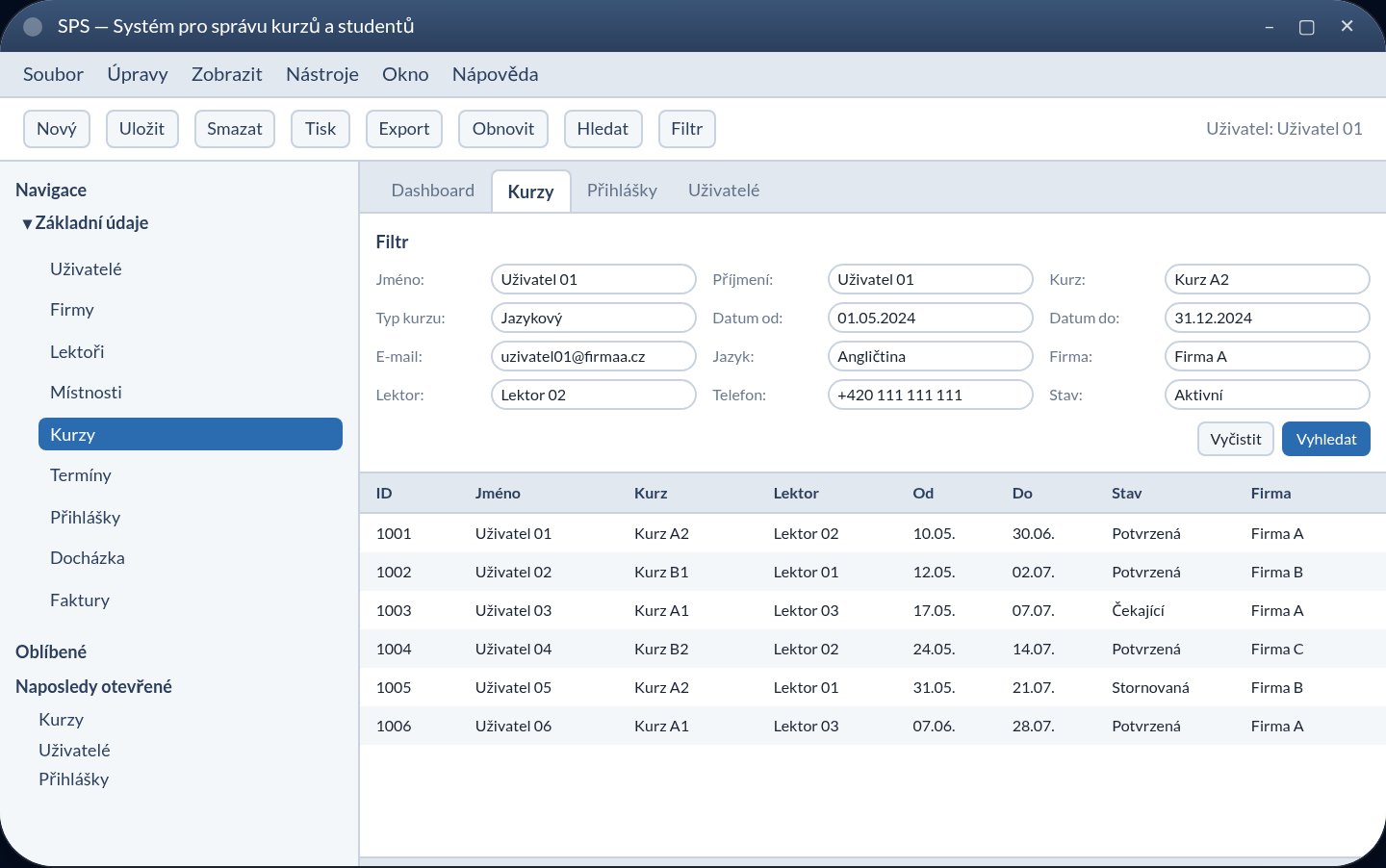
Every change was based on a thorough analysis of the existing system
We started the project with an analysis of the existing internal learning system. We went through its individual parts, mapped workflows and observed how users work with it.
This let us decide which features and processes to keep and which parts of the user interface to redesign. The analysis also helped us define how to change the system step by step without touching its proven technical foundation.
Instead of a new system, we designed a new user layer
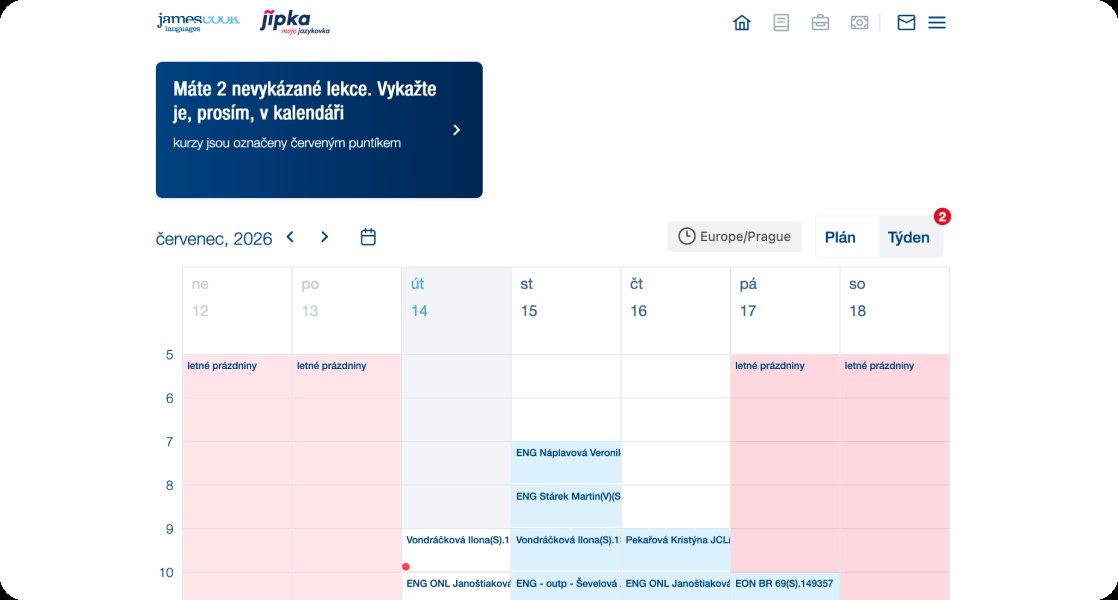
The existing backend of the internal learning system remained the foundation. On top of it we designed a new application layer, built a custom frontend and connected it to the system's existing data and logic.
There was no need to rewrite the whole system. We could replace individual parts of the user interface gradually while the original backend and its functionality stayed intact.
What we value most about working with Devcity is their reliability, open communication and ability to get to grips quickly with even complex requirements. The team knows our environment well, understands the whole system and, when designing changes, considers not only the technical side but also the needs of our employees and course participants. Over more than four years we have set up the collaboration so that we can respond flexibly to new requirements and systematically move the system forward. Devcity is a partner we can rely on for the long term.
Development continues based on the needs of the client and its users
We have been working on the project for more than four years. During this time we designed and implemented a new user interface that we keep extending with further features.
We also focus on adapting the system for mobile devices, organising navigation between sections, simplifying controls and improving performance. Further changes are planned continuously together with the client based on new requirements and user feedback.